Climate Change

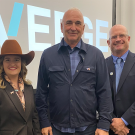
Panel Discusses Innovation and Collaboration in Agriculture at Climate Tech Summit

By Tracy Sellers

As farmers and ranchers face challenges such as a changing climate, resource scarcity and the pressure to feed an ever-growing population, they also find themselves intertwined more than ever with the technology industry, as both look to find sustainable and feasible solutions for our food system.

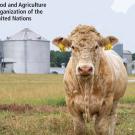
A Summary of the UN FAO Methane Emissions in Livestock and Rice Systems

The United Nations estimates the world’s population will reach 9.7 billion people by 2050, with the greatest growth occurring in economically less developed countries and regions. Naturally, as the population rises, so will the demand for food. However, along with a population boom, the planet is knee-deep in a climate crisis, and there is a critical need to reduce greenhouse gas emissions before it’s too late.

Add an Image or Video

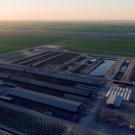
WWF offers model for change

Dairy will continue to be part of diets around the world, and some regions would likely benefit from more dairy. Given so, looking at reducing its environmental impact will be critical as we tackle climate change. And the WWF is addressing just that in their latest report.


The Bogus Burger Blame

Climate change is the biggest challenge of our lifetime, which we must address with urgency, but swapping out a hamburger once a month isn’t how we do it.

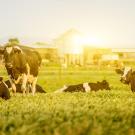
Methane, Cows, and Climate Change: California Dairy's Path to Climate Neutrality

UC Davis White Paper Re-Examines Methane’s Role in Climate Change, and How California Dairy Can Achieve Climate Neutrality

DAVIS, Calif., Sept. 2, 2020 – Researchers from the University of California, Davis are rethinking methane and showing that climate neutrality is within reach for the California dairy sector.