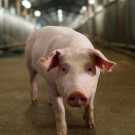
What is rendering? In simple terms, rendering turns what might be considered waste into valuable products—from biofuels to pet food—playing a quiet but essential role in sustainability.
Agricultural producers face many pressures and challenges. With a growing population that will demand more food, and a strained climate that requires attention and adjustment of practices, it is difficult to know right from wrong and fact from fiction.
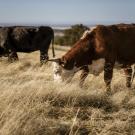
Cattle are special animals that consume foods such as grasses and hays that humans can’t digest, taking those pieces of energy and turning them into milk and meat that nourish people. In the process, part of the energy cows eat results in the production of methane that is belched out the front end of the animal. That’s a conundrum.
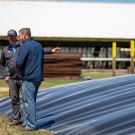
An anaerobic digester is an air-tight enclosure wherein enzymes and microorganisms convert the biodegradable organic matter contained in the manure into biogas and new microbial cells.
Simply put, land use refers to how we use the land. It represents the economic and cultural activities such as agricultural, residential, industrial, mining and recreational use with respect to human activity and is an important consideration when discussing the sustainability of the foods we eat.
Mitloehner lab Ph.D. student Alice Rocha, M.S. explains why GWP* better measures the short-lived nature of methane in the atmosphere and why it is important to measure methane correctly.
Mitloehner lab graduate student Conor McCabe. M.S., explains why dairy nitrogen management can have major economic, environmental, and human health implications
Mitloehner lab Ph.D. student Alice Rocha, M.S. breaks down whether organic beef or dairy is better for the environment than conventional? What are the differences? How can one decide between organic and conventional beef or dairy?
Mitloehner lab Ph.D. student Angelica Carrazco, M.S. explains how additives work in the digestive systems of cattle, the types of additives are there and how much each can reduce enteric methane emissions.