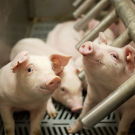
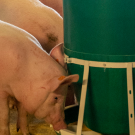
With an ever-expanding global population, and continually declining number of farmers producing fresh food, modern agriculture operates with necessary efficiencies often overlooked by critics. A long-standing false representation of agriculture has made consumers skeptical of how their food is produced. The purpose of this article is to explain what concentrated animal feeding operations (CAFOs) are, how they adhere to animal welfare priorities and their essential role in producing adequate food for our population.
Modern producers face a unique challenge to produce more food for a growing population while reducing their footprint on the environment. But efficiencies in breeding through research and technology have allowed farmers to up their production without increasing resources.
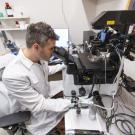
Gene editing is used to make a tiny, controlled change to DNA. By replacing a segment of DNA, scientists have the ability to remove undesirable or problematic genes.
Those in agriculture know to survive, you must adapt and innovate. One way to do this is by embracing technology. Among the most promising—and sometimes most debated—tools is gene editing; a technology that’s transforming the way we grow food and care for animals.
For over three decades, pork producers worldwide have grappled with the relentless threat of PRRS—a virus that not only harms pig health and welfare but also disrupts pork production, strains sustainability, and fuels antibiotic use by weakening pigs’ immune defenses. But with the help of the CRISPR technology, there may be a solution on the horizon.
Agricultural producers face many pressures and challenges. With a growing population that will demand more food, and a strained climate that requires attention and adjustment of practices, it is difficult to know right from wrong and fact from fiction.
Consumers have constantly evolving preferences and expectations when shopping for meat. Recent legislation, such as Proposition 12, demonstrates just how dedicated consumers are to understanding how their meat was raised and ensuring it aligns with their values.
As a society, we have a strong understanding of how to prevent the spread of germs. We wash our hands, clean our spaces, seal our food and stay home if we are sick. Pork producers implement similar practices on their farms to keep their herds healthy.
Technological advancements continue to shift the pork industry. While not new to producers, data is integral to furthering sustainable pork farming. Producers are experienced in recording data on various aspects of their operations — feed use, litter size, rate of gain and the list goes on — to ensure they run efficient and cost-effective operations.
The biggest expense when producing pork is feeding pigs. In fact, feed makes up roughly 70-80% of the variable total costs to produce pork. Since 2020, the cost of feed has been rising steadily, and pork producers feel the financial pinch of lower margins.