Cows

Why Do Cattle Produce Methane, and What Can We Do About it?

Cattle are special animals that consume foods such as grasses and hays that humans can’t digest, taking those pieces of energy and turning them into milk and meat that nourish people. In the process, part of the energy cows eat results in the production of methane that is belched out the front end of the animal. That’s a conundrum.

A breakdown of the American beef sector

Mitloehner lab Ph.D. student Sebastian Mejia Turcios explains the many moving parts that bring beef to our tables in America.

Dairy Cows — The Original Upcyclers

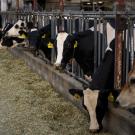
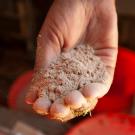
Mitloehner lab Ph.D. student Conor McCabe, M.S. explains what constitutes a dairy cow diet and the many ways they upcycle byproducts into high-quality nutrition.

The Biogenic Carbon Cycle and Cattle

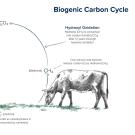
Mitloehner lab Ph.D. student Samantha Werth, M.S. explains that cattle are often thought to contribute to climate change because they belch methane (CH4), a greenhouse gas. While this is true, cattle do belch methane, it is actually part of an important natural cycle, known as the biogenic carbon cycle.


Can Cattle Help Mitigate Climate Change?

It sounds counterintuitive, but new research is pointing to the fact that instead of merely heating up our atmosphere with the potent gas methane, cows might actually be able to help fight climate change. It all has to do with what happens to methane after it enters the atmosphere, and with the advances American farmers and ranchers have made in the past 70 years.

Subscribe to the CLEAR Center Newsletter

* indicates required