Swine

Antibiotics and Antimicrobial Resistance in Swine Production

The use of antibiotics in livestock production has reshaped the farm for well over a half-century. While antimicrobial drug use for food-producing animals is below previous highs, efforts to further reduce the need for antibiotics play a key role in fighting antimicrobial resistance. The swine industry is central in the conversation about antibiotics’ importance, impact and sustainability.

African Swine Fever and Lessons Learned in Prevention

African swine fever (ASF) is a highly contagious disease with a morbidity rate of up to 100% that infects domestic and wild swine. ASF has been found in more than 100 counties but has never entered the United States. ASF only infects swine; it is not a human or public health threat.

Anaerobic Digesters on Swine Farms

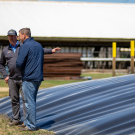
An anaerobic digester is an air-tight enclosure wherein enzymes and microorganisms convert the biodegradable organic matter contained in the manure into biogas and new microbial cells.

What is the Lifecycle of a Pig in Market Production?

The lifecycle of a hog depends upon the sex of the animal. Given 90 percent of modern hog operations use artificial insemination, most male pigs are raised for meat production, while female pigs are evaluated to be used as breeding stock.

Why is a Farrowing Crate Used in Swine Production?

Pork is one of the most widely consumed proteins in the United States, along with chicken and beef. And it’s big business in the United States, with U.S. pork exports through September 2022 totaling $5.6 billion. Production of this versatile, affordable protein has come under scrutiny in recent years and leaves people asking how pork is raised.